Integrating nature in modern Architecture
In an era marked by rapid urbanization and the rise of high-density living, the connection between humans and nature often takes a backseat. Biophilic design seeks to bridge this gap by incorporating natural elements into modern buildings, fostering a harmonious relationship between the built environment and the natural world. This approach not only enhances aesthetic appeal but also offers numerous psychological, physical, and environmental benefits.
What is Biophilic Design?
Biophilic design reveres the innate human tendency to seek connections with nature. It integrates natural materials, light, vegetation, and spatial layouts that mimic natural forms and processes. This creates environments that promote well-being and productivity.
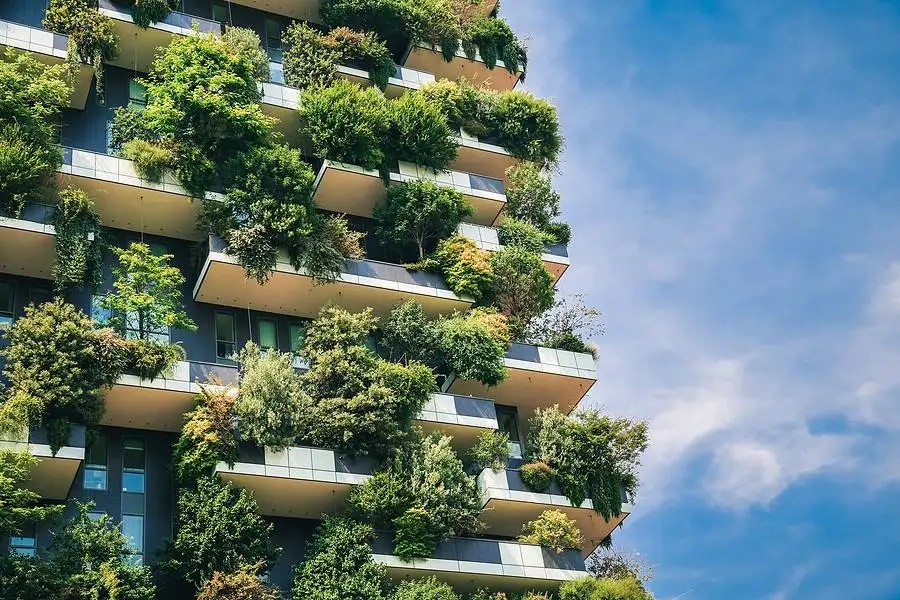
Reference: https://prodraft.net
Key Principles of Biophilic Design –
- Natural Elements: Incorporating greenery, water features, and natural materials like wood and stone.
- Natural Light: Maximizing daylight through large windows, skylights, and strategic building orientations.
- Spatial Variability: Mimicking natural environments through diverse spatial layouts, such as open areas and cozy niches.
- Sensory Stimuli: Engaging multiple senses with textures, sounds, and scents found in nature.
- Connection to Place: Using local materials and designs that reflect the surrounding environment.
Examples of Biophilic Design in Practice –
- Amazon Spheres, Seattle, USA The Amazon Spheres are a standout example of biophilic design. These interconnected glass domes house over 40,000 plants from around the world, creating a lush indoor garden. Employees benefit from the calming and inspiring environment, which enhances creativity and reduces stress.
- Bosco Verticale, Milan, Italy Bosco Verticale, or “Vertical Forest,” is a pair of residential towers adorned with over 20,000 trees and plants. This design not only improves air quality but also provides residents with a green oasis in the heart of the city. The vegetation absorbs CO2, reduces noise pollution, and regulates building temperatures.
- Khoo Teck Puat Hospital, Singapore This hospital integrates biophilic principles to promote healing and relaxation. Its lush gardens, water features, and open-air corridors create a serene environment for patients and visitors. The building’s design also facilitates natural ventilation, reducing energy consumption.
- Infosys Campus, Pune, India The Infosys campus in Pune showcases biophilic design with its green roofs, extensive gardens, and water bodies. The campus’ design prioritizes natural ventilation, reducing the need for artificial cooling, and creating a tranquil workspace that enhances employee productivity and well-being.
- The Lodha Park, Mumbai, India Lodha Park is a residential complex that integrates nature into urban living. With over seven acres of landscaped gardens, the project features walking trails, water bodies, and shaded seating areas. It provides residents with a green sanctuary amidst the bustling cityscape.

Infosys Campus Pune, Reference: https://www.bing.com
Benefits of Biophilic Design –
- Improved Mental Health: Exposure to natural elements reduces stress, anxiety, and depression.
- Enhanced Productivity: Studies show that biophilic workplaces boost creativity and focus.
- Environmental Impact: Green facades and rooftop gardens improve air quality and reduce energy consumption.
- Community Connection: Incorporating local flora and materials fosters a sense of place and belonging.
Challenges and Future Directions
Despite its benefits, biophilic design faces challenges such as higher initial costs and maintenance requirements. However, advancements in sustainable technologies and growing awareness of its long-term benefits are driving its adoption. Future designs will likely integrate smart systems to optimize energy use and water management, making biophilic spaces even more efficient and impactful.
Conclusion
Biophilic design represents a paradigm shift in architecture and urban planning, emphasizing the importance of reconnecting with nature. By integrating natural elements into modern buildings, we can create spaces that are not only functional but also nurturing for both people and the planet. As cities continue to grow, biophilic design offers a sustainable path forward, blending the best of nature and innovation.
 Anu's world (no filter)
Leave a comment