-
Biophilic Architectural Design
Integrating nature in modern Architecture
In an era marked by rapid urbanization and the rise of high-density living, the connection between humans and nature often takes a backseat. Biophilic design seeks to bridge this gap by incorporating natural elements into modern buildings, fostering a harmonious relationship between the built environment and the natural world. This approach not only enhances aesthetic appeal but also offers numerous psychological, physical, and environmental benefits.
What is Biophilic Design?
Biophilic design reveres the innate human tendency to seek connections with nature. It integrates natural materials, light, vegetation, and spatial layouts that mimic natural forms and processes. This creates environments that promote well-being and productivity.
Reference: https://prodraft.net
Key Principles of Biophilic Design –
- Natural Elements: Incorporating greenery, water features, and natural materials like wood and stone.
- Natural Light: Maximizing daylight through large windows, skylights, and strategic building orientations.
- Spatial Variability: Mimicking natural environments through diverse spatial layouts, such as open areas and cozy niches.
- Sensory Stimuli: Engaging multiple senses with textures, sounds, and scents found in nature.
- Connection to Place: Using local materials and designs that reflect the surrounding environment.
Examples of Biophilic Design in Practice –
- Amazon Spheres, Seattle, USA The Amazon Spheres are a standout example of biophilic design. These interconnected glass domes house over 40,000 plants from around the world, creating a lush indoor garden. Employees benefit from the calming and inspiring environment, which enhances creativity and reduces stress.
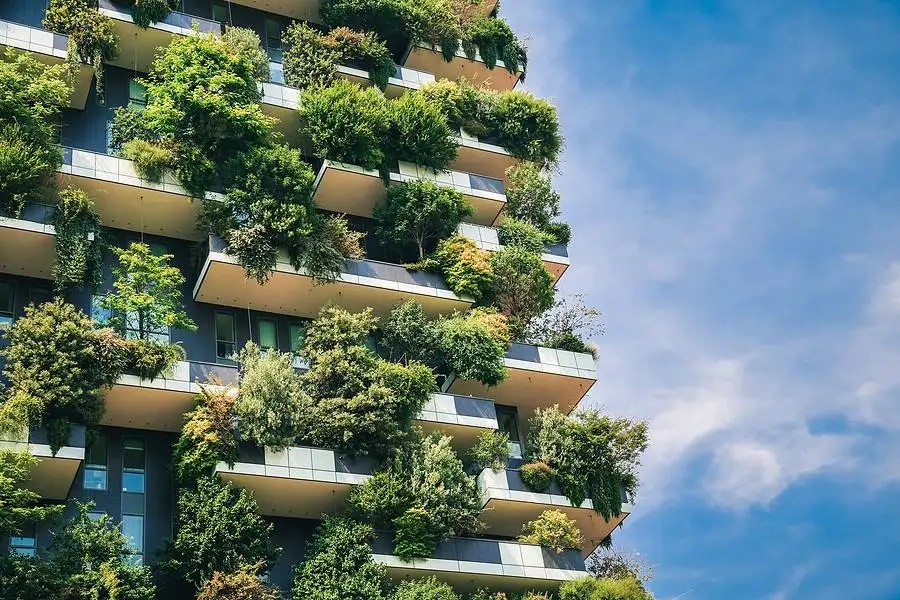
- Bosco Verticale, Milan, Italy Bosco Verticale, or “Vertical Forest,” is a pair of residential towers adorned with over 20,000 trees and plants. This design not only improves air quality but also provides residents with a green oasis in the heart of the city. The vegetation absorbs CO2, reduces noise pollution, and regulates building temperatures.
- Khoo Teck Puat Hospital, Singapore This hospital integrates biophilic principles to promote healing and relaxation. Its lush gardens, water features, and open-air corridors create a serene environment for patients and visitors. The building’s design also facilitates natural ventilation, reducing energy consumption.
- Infosys Campus, Pune, India The Infosys campus in Pune showcases biophilic design with its green roofs, extensive gardens, and water bodies. The campus’ design prioritizes natural ventilation, reducing the need for artificial cooling, and creating a tranquil workspace that enhances employee productivity and well-being.
- The Lodha Park, Mumbai, India Lodha Park is a residential complex that integrates nature into urban living. With over seven acres of landscaped gardens, the project features walking trails, water bodies, and shaded seating areas. It provides residents with a green sanctuary amidst the bustling cityscape.

Infosys Campus Pune, Reference: https://www.bing.com
Benefits of Biophilic Design –
- Improved Mental Health: Exposure to natural elements reduces stress, anxiety, and depression.
- Enhanced Productivity: Studies show that biophilic workplaces boost creativity and focus.
- Environmental Impact: Green facades and rooftop gardens improve air quality and reduce energy consumption.
- Community Connection: Incorporating local flora and materials fosters a sense of place and belonging.
Challenges and Future Directions
Despite its benefits, biophilic design faces challenges such as higher initial costs and maintenance requirements. However, advancements in sustainable technologies and growing awareness of its long-term benefits are driving its adoption. Future designs will likely integrate smart systems to optimize energy use and water management, making biophilic spaces even more efficient and impactful.
Conclusion
Biophilic design represents a paradigm shift in architecture and urban planning, emphasizing the importance of reconnecting with nature. By integrating natural elements into modern buildings, we can create spaces that are not only functional but also nurturing for both people and the planet. As cities continue to grow, biophilic design offers a sustainable path forward, blending the best of nature and innovation.
-
Inevitable
Oh…how WORDS have changed
From, we met yesterday
To, we met 15 years ago in college
And, we became friends
Oh…how LIFE has changed
From, you know what happened yesterday
To, I need to talk to my friend
And, take it off my chest
Oh…how MEANINGS have changed
From, let’s go party
To, lets go to a place where its calm
And, enjoy each other’s company
Oh…how TIME has changed
From, mom you don’t know
To, mom how do you know
And, she is always right
Oh…how PERSPECTIVES have changed
From, damn you look cool
To, what does it reflect
And, let’s be comfortable
Oh…how EMOTIONS have changed
From, let’s go for a movie
To, let’s find time to at least meet on your birthday
And, you always miss your people
Oh…how the POSITION has changed
From, Amma Appa you are 10 mins late
To, In office, I will call later
And, still see a smile when you got angry
Oh…how PEOPLE have changed
From, let’s travel day & night
To, let’s find comfortable places to stay
And, take a breather
Oh…how YOU have changed
From, I need to make memories for future
To, I will live my best life now
And, still trying to balance everything
-
Climate Change and its Impact on Agriculture
Climate change is one of the greatest threats that we face today, with the potential to cause unprecedented damage to our environment and our way of life. One of the most significant areas of impact that we have seen and will continue to see is on Agriculture. The effects of climate change on agriculture are already being felt around the world, with extreme weather conditions such as droughts, extreme heat waves, and heavy rainfall inducing floods impacting crop yields.
The Food Security and Nutrition in the World 2022 report highlights the impact of climate change on food security and nutrition. In 2021, approximately 828 million people were facing hunger globally, and around 2.3 billion people were experiencing moderate to severe food insecurity. Moreover, almost 3.1 billion people could not afford a healthy diet in 2020. The COVID-19 pandemic has only exacerbated these numbers.
(Food Insecurity refers to not having access to sufficient food to meet one’s basic needs.)
The agricultural sector is highly vulnerable to climate change, with the yield and nutritional value of crops being impacted. According to the Union Minister of Agriculture and Farmers Welfare in March 2023, in the absence of adaptation methods for agriculture, the yields of major food grains (rice, wheat, maize) may go down by 20% by 2050. The recent unseasonal rain, hailstorms, wind, and thunderstorms in March 2023 have already destroyed over 5.23 lakh hectares of ready-to-harvest wheat crops, also impacting crops such as mustard, channa (grams), barley, and vegetables.
In addition, crops have increasingly been facing infestation of pests and insects, leading to losses for farmers and raising prices, causing inflation, and reducing buying capacity. This inflation impacts the economy and increases food insecurity, further impacting everyone.
To reduce the vulnerability of agriculture to climate change, society needs to take steps such as promoting sustainable farming practices, developing and implementing climate-resilient crop varieties, and investing in infrastructure that supports climate adaptation. Governments should also provide support and assistance to farmers to help them adopt climate-resilient practices and technologies.
In conclusion, climate change is a serious threat to agriculture and food security. Without concerted action, the impact of climate change on agriculture will continue to be felt globally. Therefore, it is imperative that we act on now to promote sustainable and climate-resilient agricultural practices to ensure that we can provide adequate and nutritious food for all in the future.
-
Subscribe
Subscribed
Already have a WordPress.com account? Log in now.
 Anu's world (no filter)